
Research & Labs
Research at MITH typically takes shape as research projects, while our labs function as incubators for ideas, student engagement, and public programming. This page links to our main labs and active projects. For a complete list of all our research efforts and output, such as the Digital Dialogues series, Shelley-Godwin Archive, DocNow, Unlocking the Airwaves, see the Archive.
Labs
<desc> lab
Digital Editing and Scholarly Communication Lab
Led by Raff Viglianti
<desc> lab, or the Digital Editing and Scholarly Communication Lab at the Maryland Institute for Technology in the Humanities, addresses research questions such as: How do we disseminate primary sources (documents and other artifacts from the past) digitally? How is scholarship around them modeled and processed as data? How are research results communicated to a variety of audiences? The projects at <desc> lab focus on hands-on and practical solutions to explore these research questions. This is primarily done through careful data modeling using standards such as the Text Encoding Initiative format and through software development towards complex UI and reading environments using front-end technologies for the web.
African American Digital & Experimental Humanities
Led by Marisa Parham
AADHum is a digital and experimental humanities lab that supports research at the intersection of technology, design, and Black Study. We convene activists, scholars, and artists to think, rest, and play into their next great insight.
Memory Lab
Audiovisual Media Digitization | Digital Media Forensics
Led by Stephanie Sapienza
The Memory Lab is MITH’s hands-on space for media archaeology and digital stewardship. By working directly with obsolete analog audiovisual media and legacy digital formats, students and faculty gain a more grounded understanding of how cultural materials are created, maintained, preserved, and made accessible over time. The lab supports digitization, research, and teaching while making visible the infrastructures, labor, and ethical choices that shape cultural memory.
Narraspace
Led by Cassandra Hradil
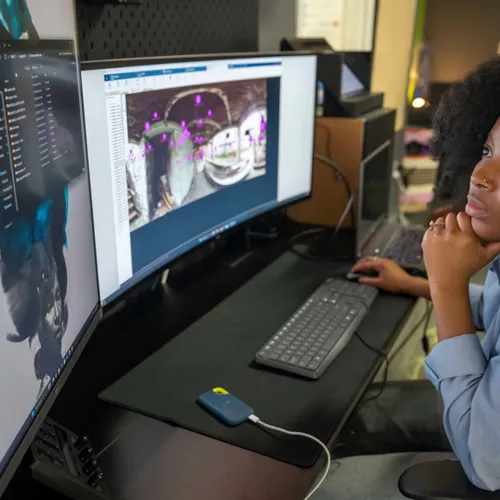
NarraSpace invites scholars and creators—especially BIPOC and queer voices—to explore deeply personal, often indescribable experiences. With tools like virtual reality headsets, spatial reality displays and gaming equipment, the lab is helping scholars push the boundaries of what storytelling—and scholarship—can be.
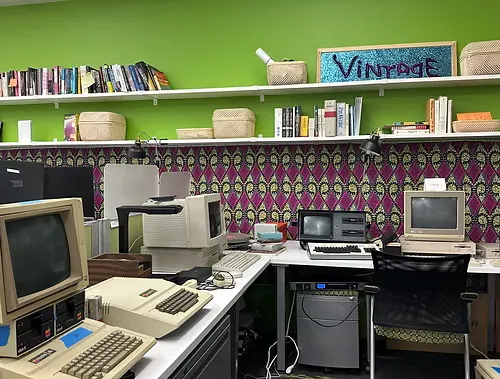
RetroComputing
Led by Jeffrey Moro
Technology’s rapid development over the past seventy years has left behind generations of “obsolete” computers that nevertheless retain significant educational, historical, cultural, and aesthetic value. Apple IIs, iPods, Commodore 64s, and other vintage technologies are physical portals into “old” relationships with computers and computing that nevertheless feel quite “new” to modern eyes. Building on the Maryland Institute for Technology in the Humanities’ (MITH) long-standing collections of vintage computers and video game systems, RetroComp designs creative ways to breathe new life into yesterday’s technologies.
Active Research Projects
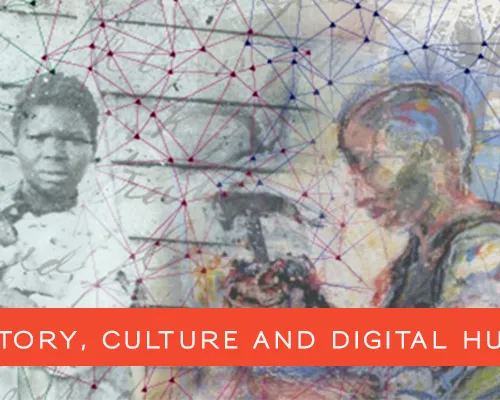
African American History, Culture and Digital Humanities
African American History, Culture and Digital Humanities (AADHum) was awarded to the College of Arts and Humanities (ARHU) and is being co-directed by MITH and the Arts and Humanities Center for Synergy (Center for Synergy). The project was funded by a $1.25 million grant from the Andrew W. Mellon Foundation for research, education and training at the intersections of digital humanities and African American studies, and will help to prepare a diverse community of scholars and students whose work will both broaden the reach of the digital humanities in African American history and cultural studies, and enrich humanities research with new methods, archives and tools.
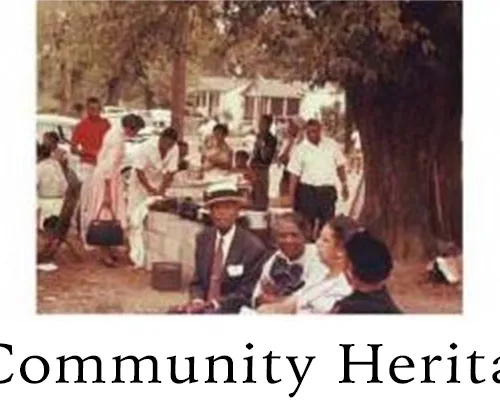
Lakeland Community Heritage Project Digital Archive
The Lakeland Community Heritage Project Digital Archive is a collaboration between the Lakeland Community Heritage Project (LCHP), and partners at the University of Maryland including Dr. Mary Corbin Sies of the Department of American Studies, MITH, and Dr. Katrina Fenlon of the College of Information Studies. The digital archive project builds upon LCHP’s many years of work to document an historic African American community before and after segregation and contribute to an understanding of urban renewal’s impact on communities of color.
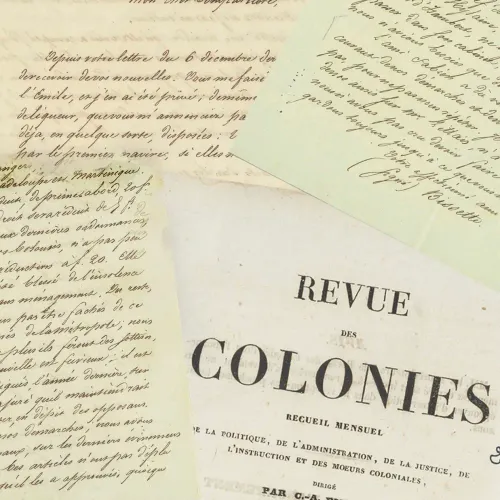
The Revue des Colonies
A Digital Scholarly Edition and Translation
This project is creating a Digital Scholarly Edition and Translation of the Revue des Colonies (1834-1842), the first French periodical for and by people of color. Ultimately, the site will host the first open-access edition and translation of the Revue’s entire print run, featuring digitized images, full text transcriptions, English translations and bilingual annotations emanating from the collaboration of an international and interdisciplinary team of scholars.